
Episode 03 · Nobody Told Me About This Job
Welder
Build Something That Lasts
Welding turns careful preparation and practiced technique into something you can see. If you enjoy making things, improving a hands-on skill and paying attention to detail, this career is worth exploring.
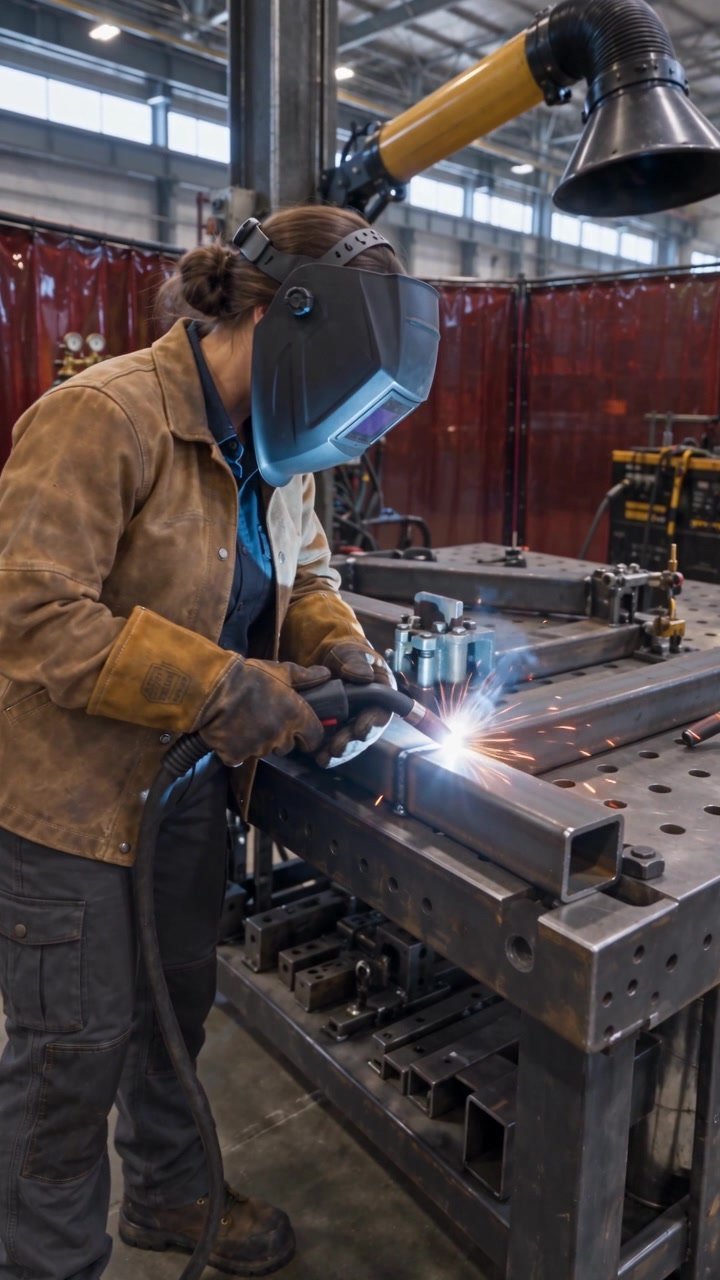
Watch Episode 3: Welding
One skill can open the door to many different careers. Explore how welding connects to structures, pipe systems, equipment fabrication and modern manufacturing.
Originally published · 57 seconds
Watch Episode 3 on InstagramThe work
What does a welder do?
Welders join or repair metal parts used in equipment, structures and products. Work can involve reading drawings, measuring materials, preparing joints and checking completed work.
Jobs vary across manufacturing, construction and repair. Ask prospective employers what their welders make, which processes they use and what a typical shift involves.
How do you become a welder?
A high school diploma or equivalent, technical instruction and training on the job are common starting points. Options include community colleges, technical schools, employer training and some apprenticeships.
Before choosing a route, ask local employers which training and qualifications they recognize. Confirm any licensing requirements where you plan to work.
What can a welder earn?
The U.S. median annual wage for welders, cutters, solderers and brazers was $53,750 in May 2025, according to the Bureau of Labor Statistics. This is a national figure for the combined occupational group, not a starting-pay promise.
Compare actual local offers. Ask for the base hourly rate, expected hours, benefits and requirements for raises. Separate regular wages from overtime, travel allowances and bonuses.
Source: U.S. Bureau of Labor Statistics →Is this work a good fit for you?
Consider these questions:
- Do you enjoy practicing a technique until your results become consistent?
- Are you willing to develop confidence with measurements and drawings?
- Can you accept feedback and carefully rework something that misses the standard?
- Would the employer’s shifts, location and physical demands suit your life?
- Are you comfortable asking for guidance before attempting unfamiliar work?
Welding can involve heat, fumes and awkward working positions. Ask how a program teaches safe working habits and supervises beginners.
Questions to ask before choosing a program
Bring this checklist to a school, employer or apprenticeship coordinator:
- How much supervised welding practice will I receive each week?
- Which welding processes, materials and positions will I practice?
- How many students share each workstation?
- Does the course include drawing interpretation, measurement and inspection?
- Which qualifications or welding tests does it prepare me for?
- Which local employers recognize those qualifications?
- What is the total cost, including protective equipment, materials, testing and retests?
- Is paid employment included, or must I find a job separately?
- What evidence can you share about graduates finding welding work?
Career information: BLS: Welders, cutters, solderers and brazers. Reviewed October 29, 2026.
Curious about this road?
Have a question or firsthand welding experience to share? Contact Captain Workforce.
hello@captainworkforce.com